Introduction
Ecuador sits astride the Andes at the junction of three tectonic plates, making it one of the most volcanically active countries on Earth. This program combines fieldwork, geologic mapping, expert instruction from South Dakota Mines faculty, guest lectures, and cultural immersion across Ecuador’s diverse geographic regions — from the Amazon lowlands to high-altitude volcanic peaks.
Major Field Sites
Pululahua Geobotanical Reserve
One of the world’s few inhabited volcanic craters, located near Quito. Students examine caldera collapse features, volcanic stratigraphy, and the unique ecosystem that has developed within the crater.
Tungurahua Volcano
An active stratovolcano where students collaborate with local monitoring communities and investigate ongoing volcanic activity, lahar deposits, and eruption history.
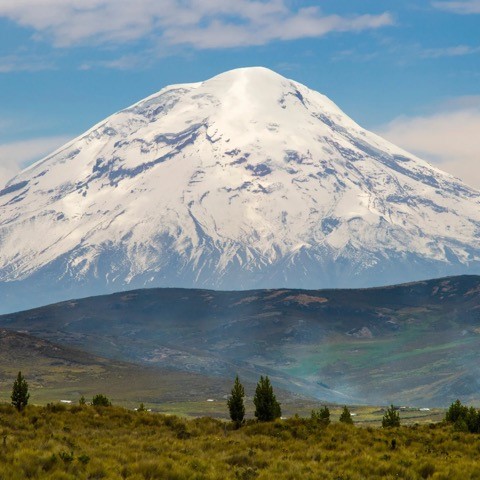
Chimborazo
Ecuador’s highest peak at 6,263 meters. Students ascend to 5,100 meters to study glacial and periglacial geomorphology alongside volcanic stratigraphy.
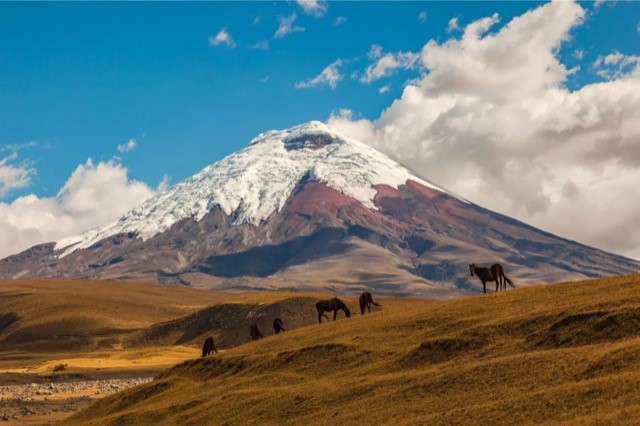
Cotopaxi
One of the world’s highest active volcanoes. Field work here focuses on lava flow mapping, lahar risk assessment, and volcanic monitoring methods.
Prerequisites
Mineralogy and Petrology are recommended. Background in volcanology is helpful but not required.
Physical Demands
Off-trail hikes in rugged, high-altitude terrains are a daily part of this program. Students must be in excellent physical condition and acclimatize carefully to altitude. High-altitude hiking experience is strongly recommended.
Logistics
Lodging alternates between tent camping and hostels as the group moves through different climate zones. Meet in Quito on December 27. Arrange your own international airfare; estimated cost $600–$1,200 depending on departure city.
Field Camp Photos
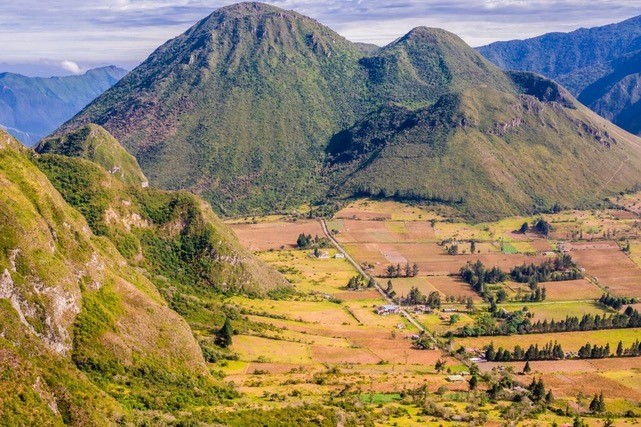
Active volcanism, Galapagos
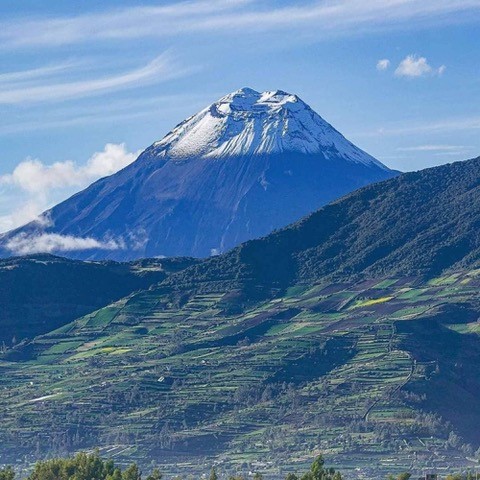
Tungurahua volcano, Ecuador
Cotopaxi volcano, Ecuador
Cotopaxi volcanic deposits
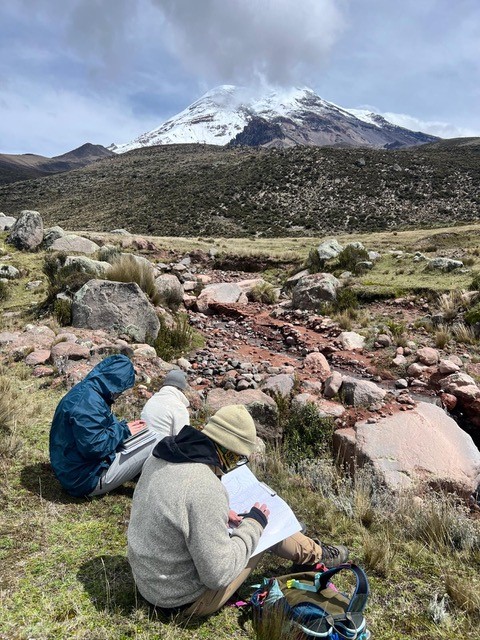
Galapagos lava flows
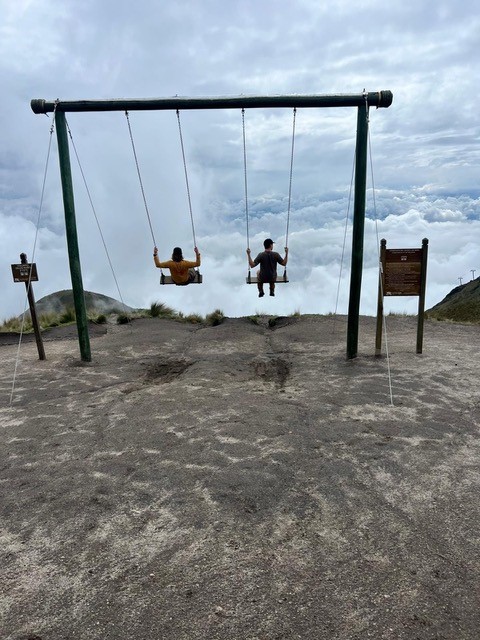
Galapagos field site
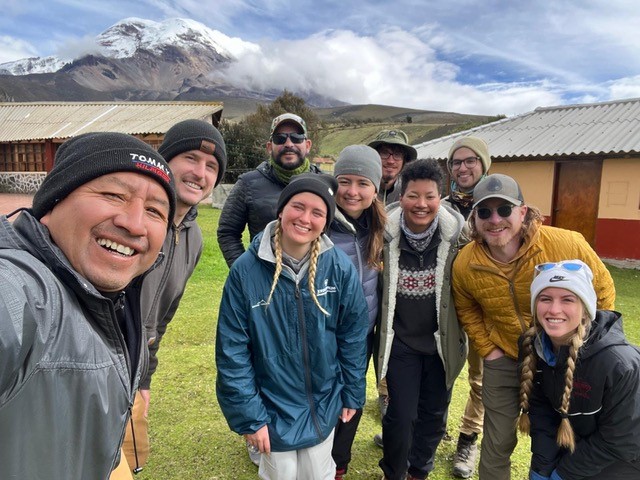
Galapagos volcanic habitat
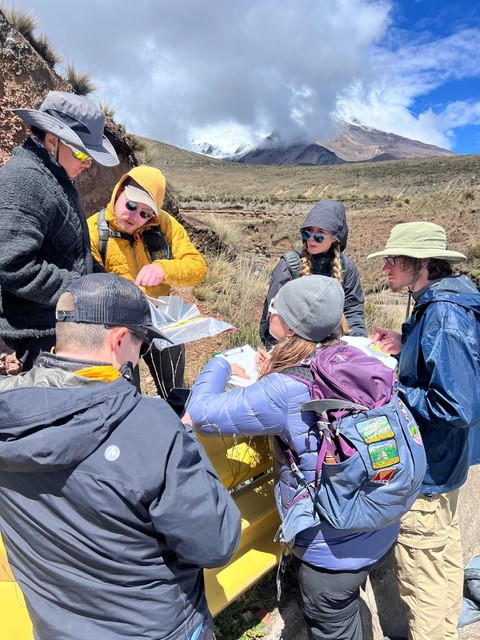
Andean stratigraphy, Ecuador
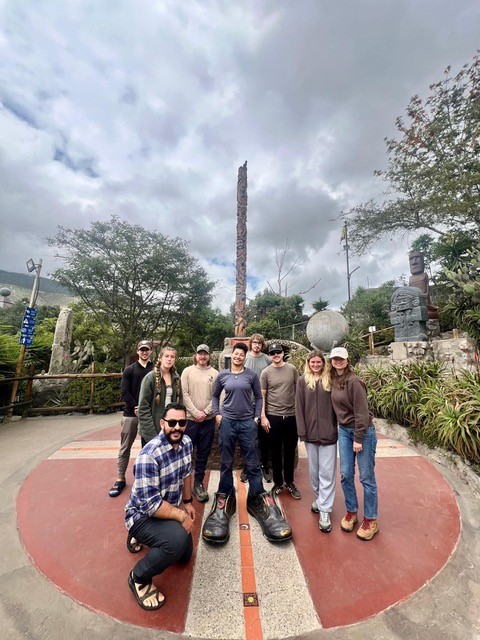
Volcanic ash deposits, Ecuador
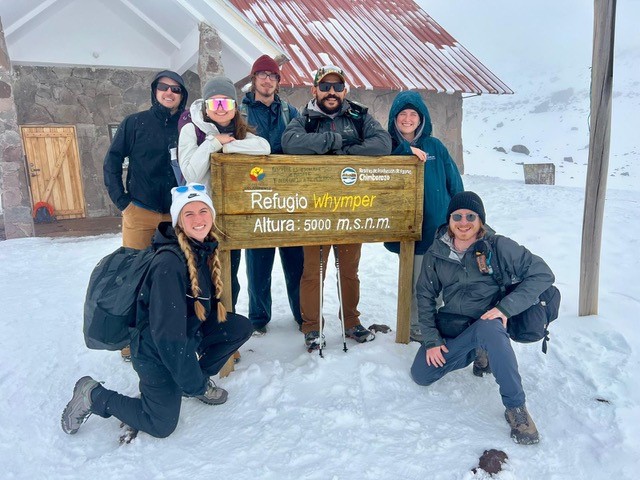
Andean geology, Ecuador
Ready to Register?
Application deadline: June 30, 2026. Book your flight to Quito, Ecuador. $300 deposit required at registration.
Register Online